Making a Life Map
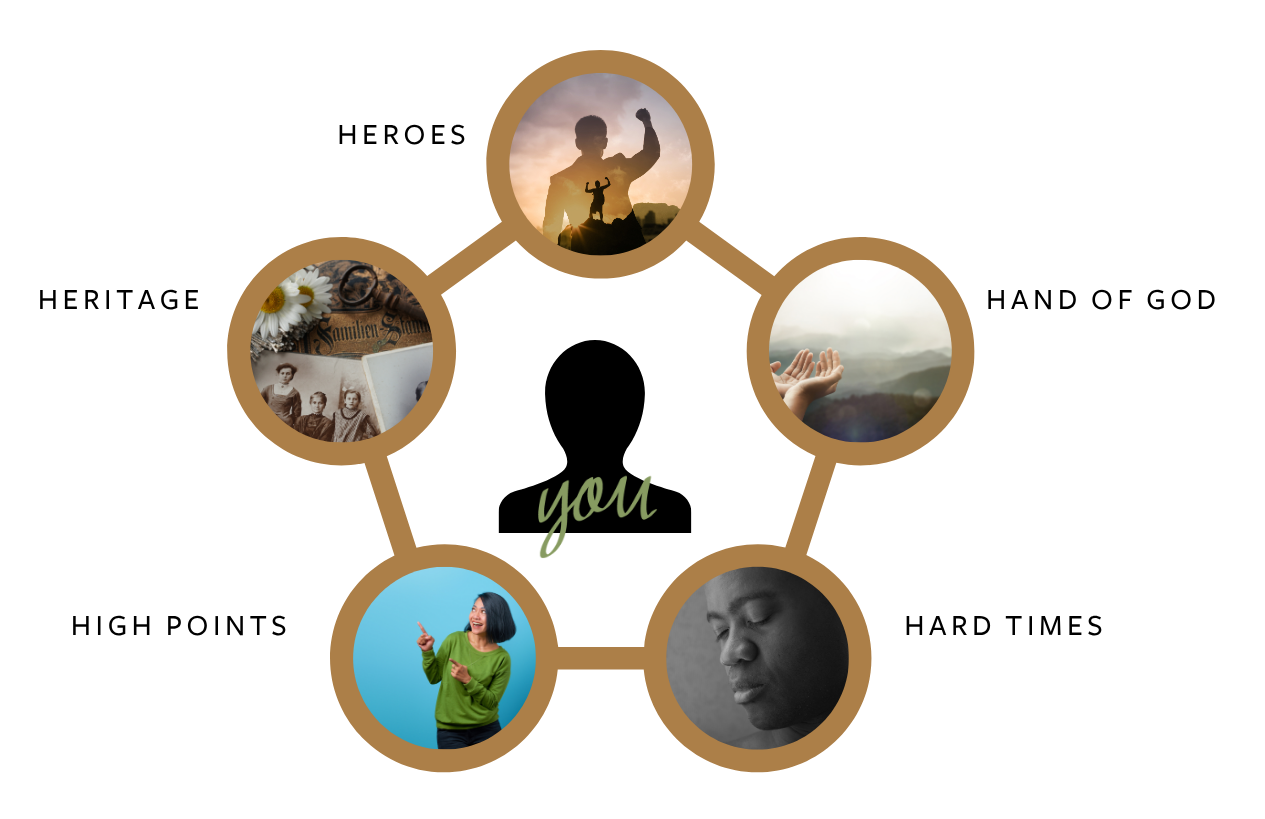
Image design by Natacha P.
“Vocation does not come from willfulness. It comes from listening. I must listen to my life and try to understand what it is truly about – quite apart from what I would like it to be about – or my life will never represent anything real in the world, no matter how earnest my intentions…. But if I am to let my life speak things I would gladly tell others, I must also let it speak things I do not want to hear and would never tell anyone else! My life is not only about my strengths and virtues; it is also about my liabilities and my limits, my trespasses and my shadows” (Parker Palmer in Let Your Life Speak: Listening for the Voice of Vocation).
The second half of life (if lived at any kind of depth) invites us to slow down, pay attention and listen – to God, to others, and to our own lives. The practice of life mapping helps us to do just that. Our life map allows us to notice the ways in which God has been present (even in times we did not recognize it) and how our experiences have shaped us. We grow in gratitude. Or we may recognize places in our lives that still need healing. We develop compassionate curiosity – asking honest questions of our own self and, in turn, of others whom we come alongside. As we become more aware of our own journey, our desire grows to help others gain greater awareness too of their stories. And in mission and witness, we realize that our stories of encounter with God become the seed that we sow in testimony to the deep grace and wide mercy of God.
Below is one model for completing a life map. If you have already completed a life map before, we encourage you to revisit it. If not, you can use the model below. We suggest two separate sittings to complete an initial version of your life map. The first sitting may take at least 90-120 minutes as you write what more readily comes to mind. The second may take 60-90 minutes as you remember more detail or articulate with greater clarity parts of your life map.
As you begin reflecting on your life journey, take a few minutes of quiet before God.
In your own words invite God to safeguard your whole being and to help you remember.
Next, use these categories of story to think how each has impacted your life and formation journey. In later months, you can revisit your life map and add detail or identify experiences from these five categories in different chapters of your life.
Heritage: What geographical, cultural, religious, or family factors influenced you?
Heroes: What relationships played a major factor in shaping who you are? These could be family members, mentors, teachers, or even historical figures you have never met (but who have influenced you through their writings or stories)
High Points: What experiences have made you feel most alive? When have you felt especially fulfilled, joyful, and content in your life?
Hard Times: What experiences were especially difficult, confusing, or painful?
Hand of God: When and how have you sensed God’s care and grace in your life? Moments of encountering divine presence and God’s intervention?[1]
If you have journaled in the past about certain life events, you might want to read your journal entries again. (Note: If at any time you feel that you are unable emotionally to continue this process, please stop this exercise and seek professional help.) You may be creative and use images or drawings. Or you can make your life map look like a journey or a road that you have traveled. Please use your imagination!
As you remember and record your 5Hs, incorporate the following practices:
Pause occasionally to let your body and soul settle. You may spend some time in quiet meditation toward a greater sense of wholeness or completeness. Offer a simple “Thank you” to God. Or recite a favorite scriptural phrase such as “His love endures forever” (cf. Psalm 136) or sing the chorus of a favorite worship song.
As you reflect on these 5Hs, what do you need to acknowledge, accept, or act upon? What core conviction or value are you able to identify and articulate from that event or season? You may add to your journal or document what you sense.
Plan to share what you have written with a trusted and trustworthy friend(s) who will simply listen to you share your life map. When and where will you do this?
Take some time again simply to be quiet – in silence or in a time of simple thanksgiving.
______________________________________
[1] We have not been able to find who first developed this model or framework. A few churches or ministries use this model or a very similar one. For example: https://lifewaycelina.com/wp-content/uploads/2024/03/Lifemaps-v2.pdf or https://www.pinecove.com/blog/a-better-way-to-break-the-ice-the-five-hs/.